Our Programs
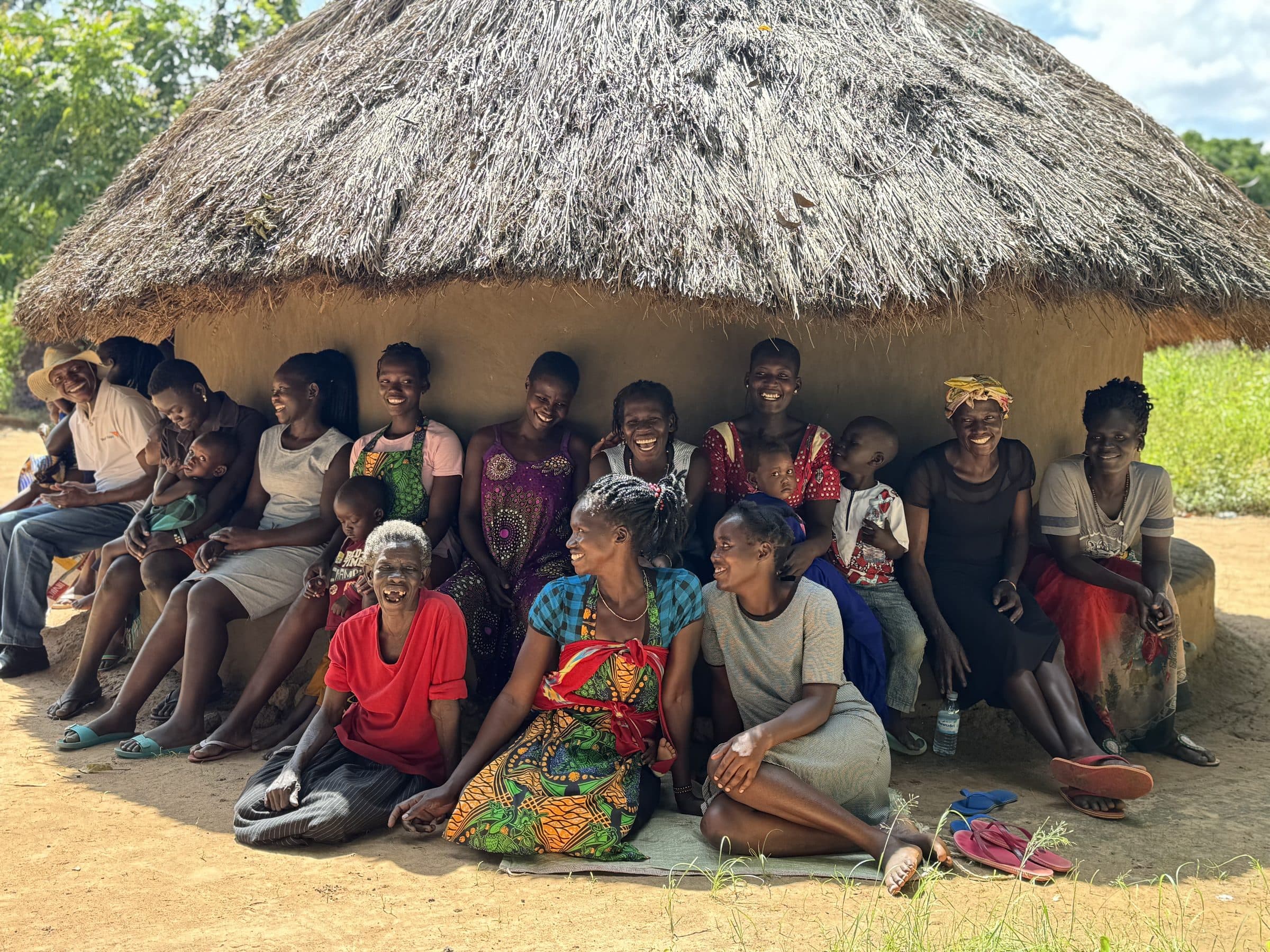
YDO implements on-the-ground programming that aligns with community priorities, focusing on education, skill development, and protection for vulnerable populations in Northern Uganda.
Education & Scholarships
We provide educational support and scholarships to vulnerable children, ensuring access to quality education from early childhood through secondary levels.
Our education programs include:
- Scholarship programs for vulnerable children
- School infrastructure support
- Early childhood education programs
- Secondary education support
- Child welfare advocacy
These programs create pathways from learning to livelihood, ensuring children have the foundation they need to build successful futures.
Vocational & Life Skills Training
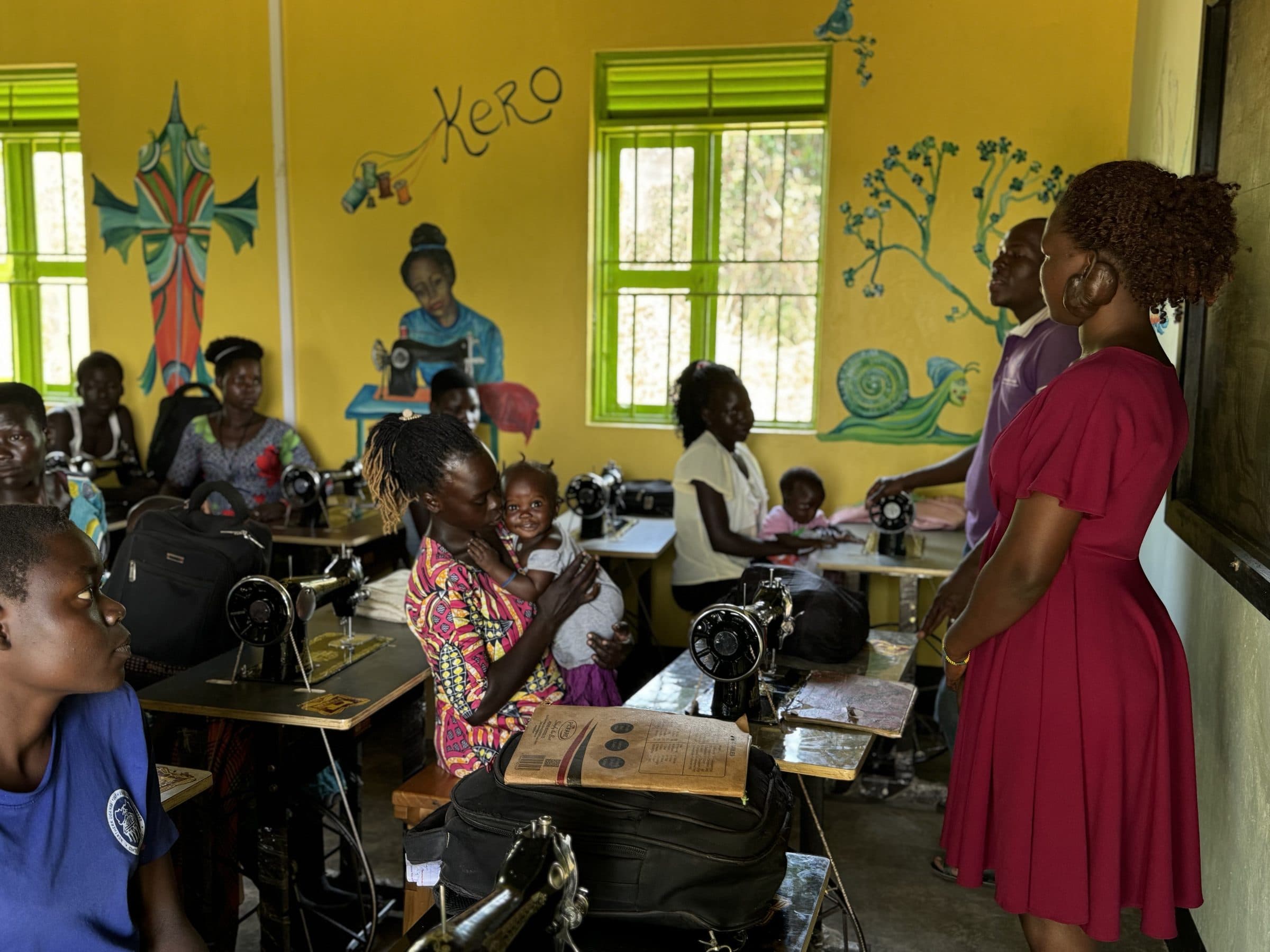
Vocational and life-skills training programs equip youth and adults with practical, professional, and marketable skills tied to community needs.
Our training programs include:
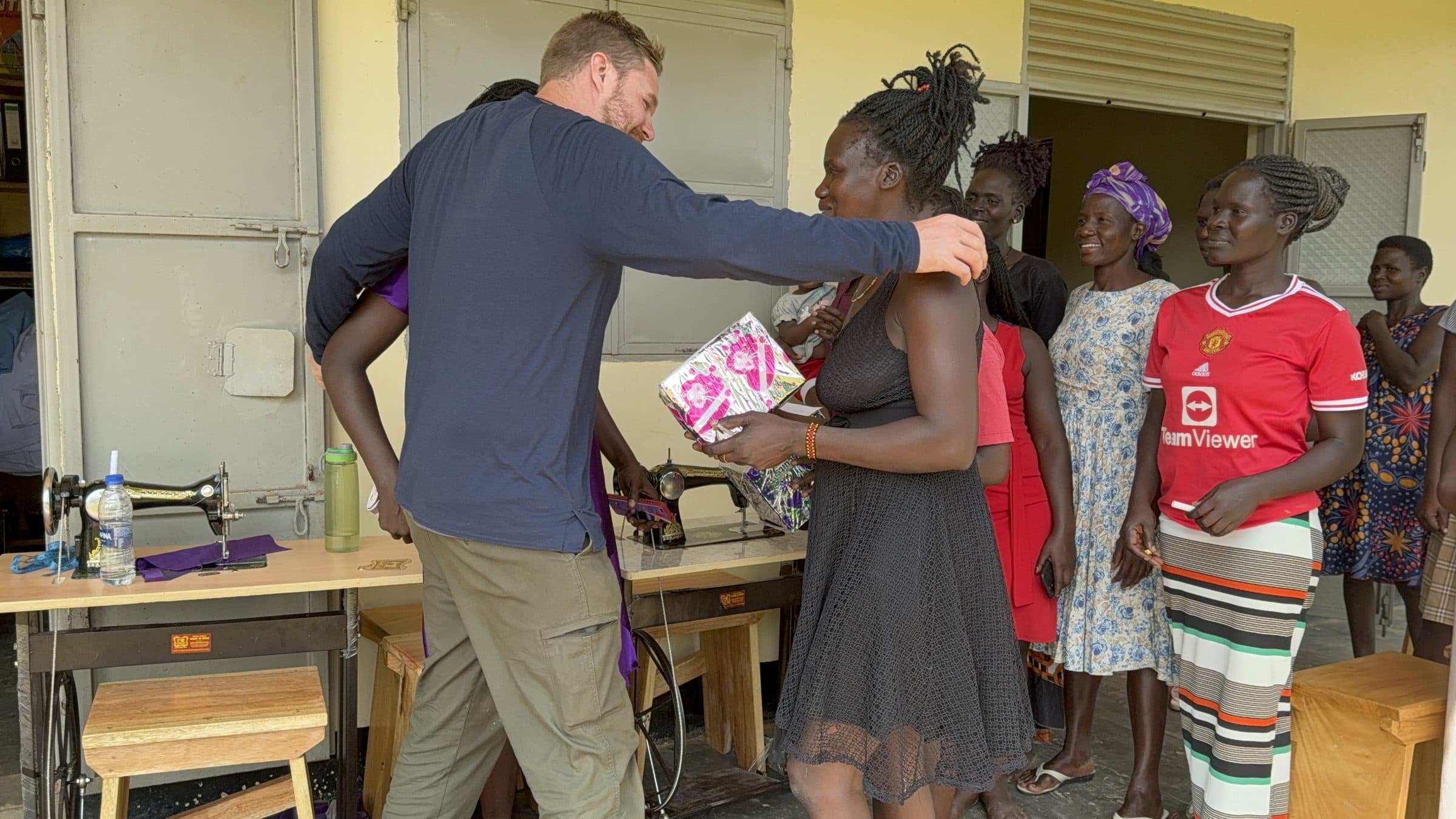
- Sewing and tailoring skills
- Construction and building skills
- Business and entrepreneurship training
- Life skills development
- Market linkages and job placement support
These programs respond to local market needs and create pathways to economic opportunity, especially for vulnerable populations including women and youth.
Psycho-Social Support
We provide psycho-social support services to help individuals and families heal from trauma and build resilience in post-conflict communities.
Our psycho-social programs include:
- Individual and group counseling
- Trauma healing workshops
- Safe spaces for children and youth
- Family support services
- Community healing activities
These programs create safe spaces for processing experiences and developing coping strategies, reinforcing community stability and growth.
Child Protection & Advocacy
YDO advocates for the rights and welfare of vulnerable children, women, and communities, working to create protective environments that prevent children from entering armed conflict.
Our advocacy and protection work includes:
- Rights awareness and education
- Child protection systems strengthening
- Support for children with disabilities
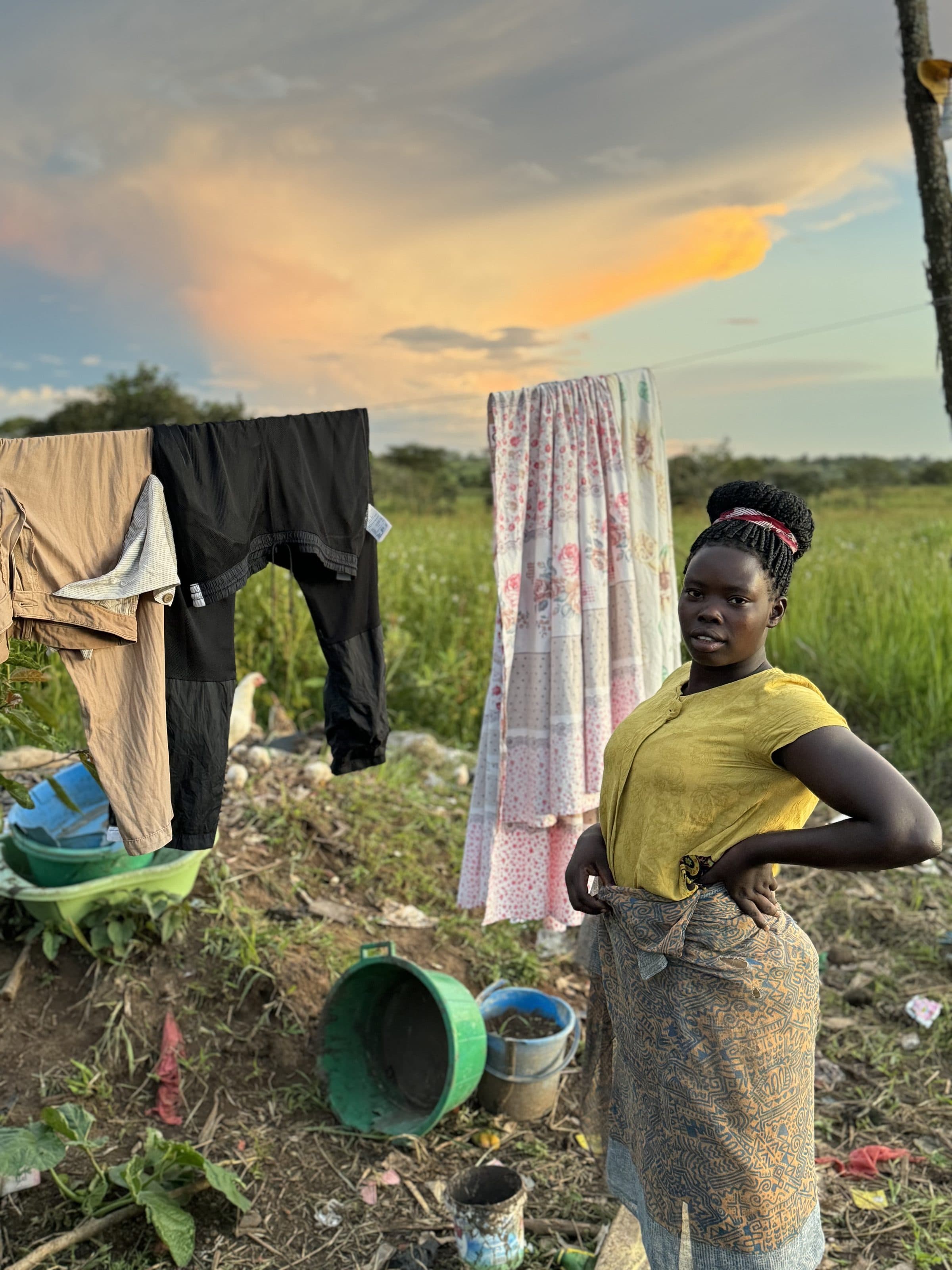
- Women's economic participation support
- Community mobilization for vulnerable populations
These efforts reinforce durable systems, reduce dependency on external aid, and strengthen community resilience while ensuring the protection and support of the most vulnerable.
Integrated Approach
Our programs work together to create holistic support for communities. Education connects with vocational training, psycho-social support reinforces educational outcomes, and advocacy ensures protective environments.
How Programs Connect
Education → Vocational Training:
Students who complete education programs can access vocational training to develop marketable skills.
Psycho-Social → Education:
Healing and resilience building support children's ability to learn and succeed in school.
Advocacy → Protection:
Rights awareness and protection systems create safe environments for all programs to operate.
Training → Economic Opportunity:
Vocational skills connect to market opportunities, creating pathways to sustainable livelihoods.