From the campus
What’s happening on the ground.
One letter a month from Kevin and the team in Omoro District. The school, the clinic, the cooks, the kids — what’s actually moving in Northern Uganda right now.
From the campus
The monthly newsfeed.
One letter a month from Kevin and the team. Tap any cover to read it.
AUGUST 2026
August is Here!
Read this issue →Close ↑
AUGUST 2026
August is Here!
Read this issue →Close ↑
August 7, 2026
This month's report came in from the campus — this one written by Oroma Gloria, who runs administration and finance for the YDO team. If you're reading this — sponsor, shirt buyer, or someone who landed on a kid's page — here's what the last month looked like on the ground, in concrete terms.
The two women in navy
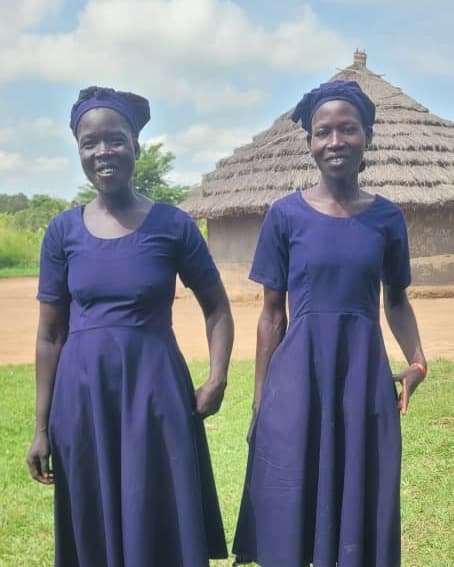
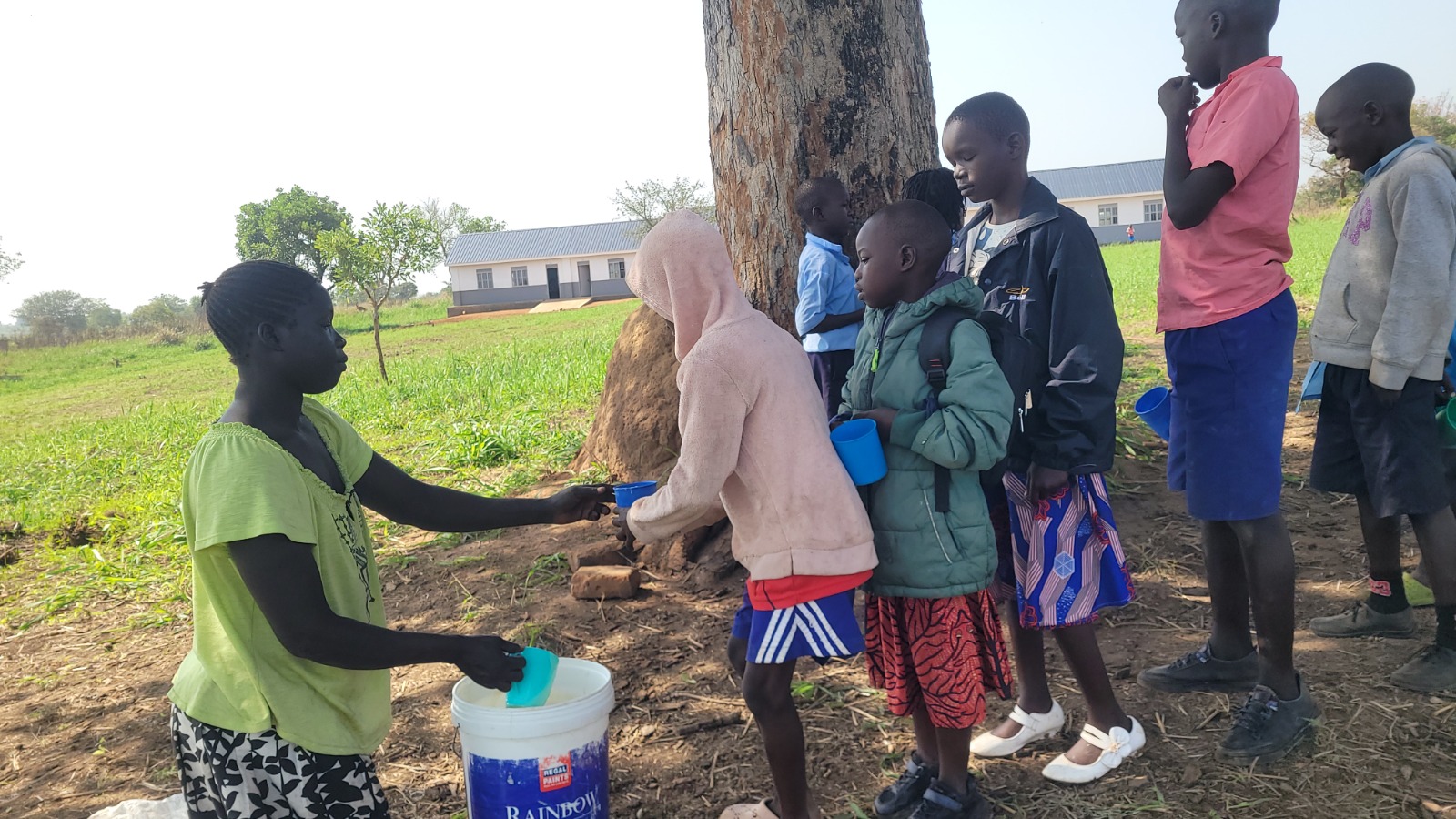
Start with the photo I can't stop looking at. Two women in matching navy dresses and headwraps, standing in front of a thatched hut, and if you didn't know better you'd think it was a portrait for a magazine. They're the cooks at Hope Bridge — the two people who feed the entire school, every school day. Porridge in the morning, beans and posho at lunch, every kid, every day.
In July the campus bought them proper kitchen uniforms and new kitchen equipment. On paper it's a hygiene upgrade — that's how it reads in Gloria's report. But look at how they're standing. Cooking for a whole school is skilled, essential work, and now the two women doing it are dressed like it.
What's on the chalkboard
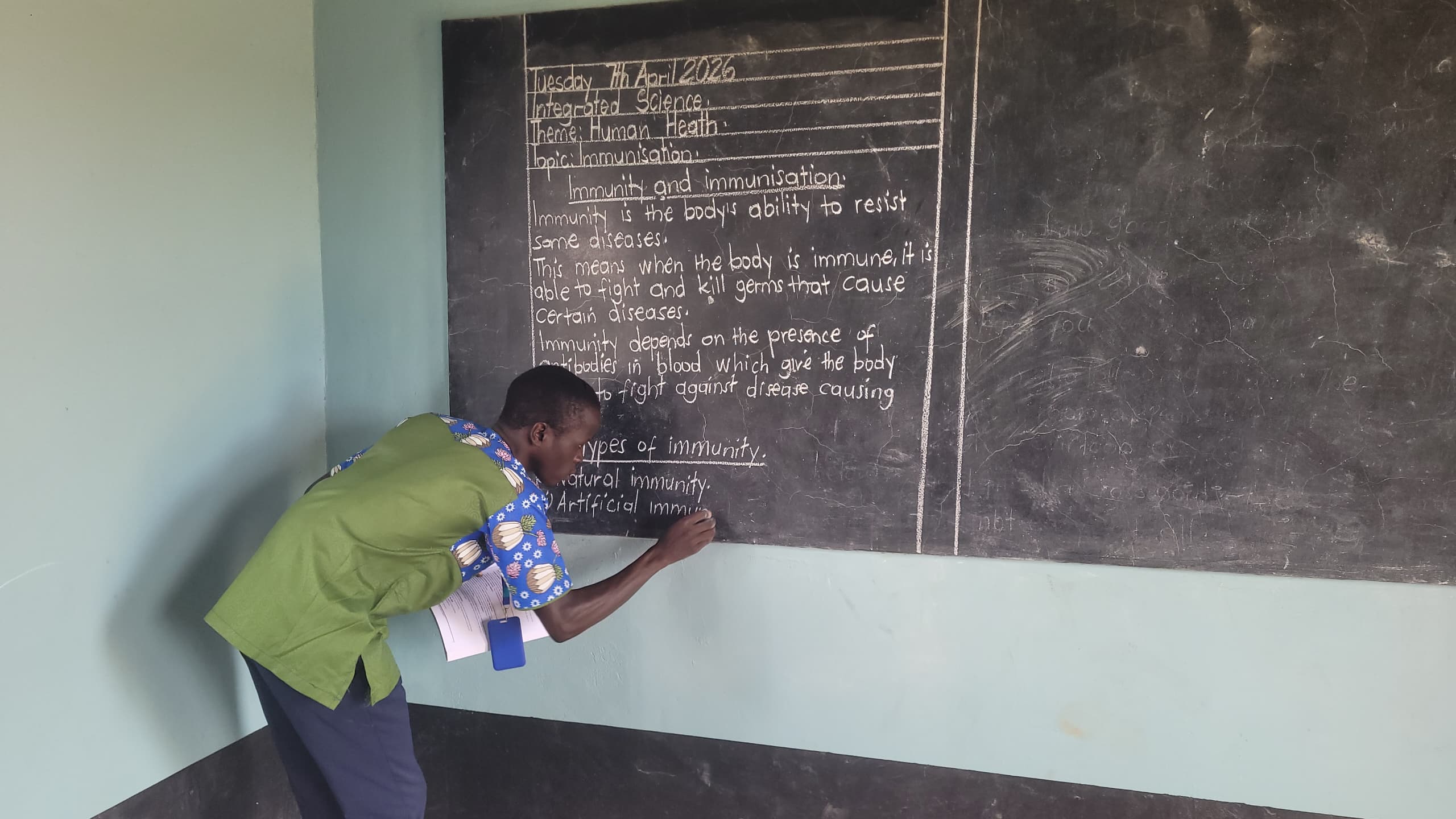
One of the photos this month is from an Integrated Science lesson: the teacher chalking out Immunity and immunisation while the class copies it into their notebooks. "Immunity is the body's ability to resist some diseases" — that's the actual line on the board, being taught a short walk from the clinic where those same kids get treated. They're learning why the medicine works in the same compound where they receive it. That's what a health curriculum looks like when the school and the clinic share a fence.
Round two in the brooder house
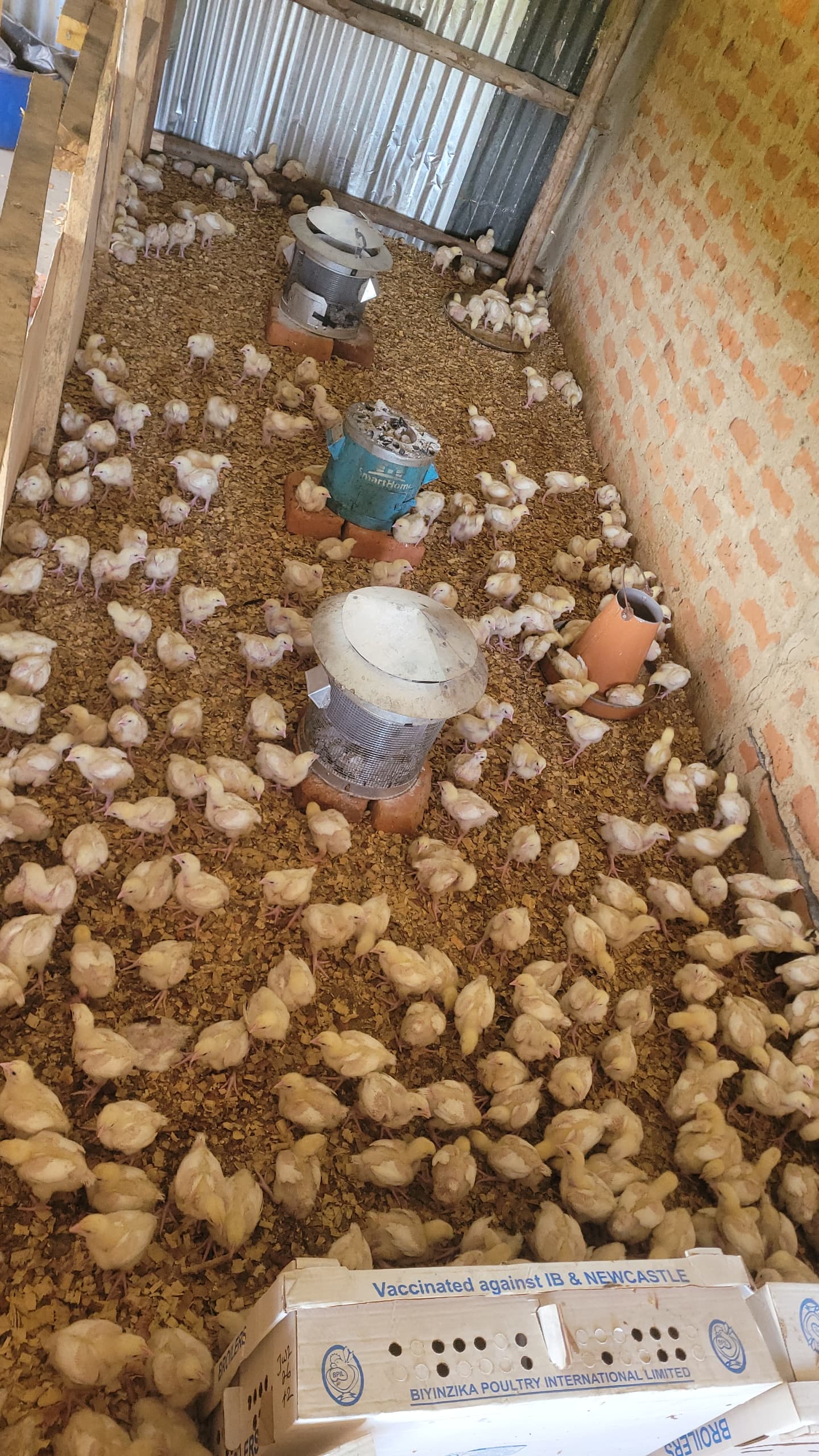
The poultry project is on its second cycle. The first 300 broilers went in this spring; there are 200 chicks in the brooder house now, and they arrived already vaccinated — it's stamped right on the delivery boxes. The team runs feeding, cleaning, and vaccination on a schedule, and the goal hasn't changed: a campus that earns part of its own operating income instead of depending entirely on what we send from here.
Eight new tailors
Eight learners — six girls and two boys — enrolled in tailoring training in July. Same logic as the sewing, construction, and knitting programs already running out of the training center: give a young person from a household with no margin a skill they can actually charge for.
The daily rhythm
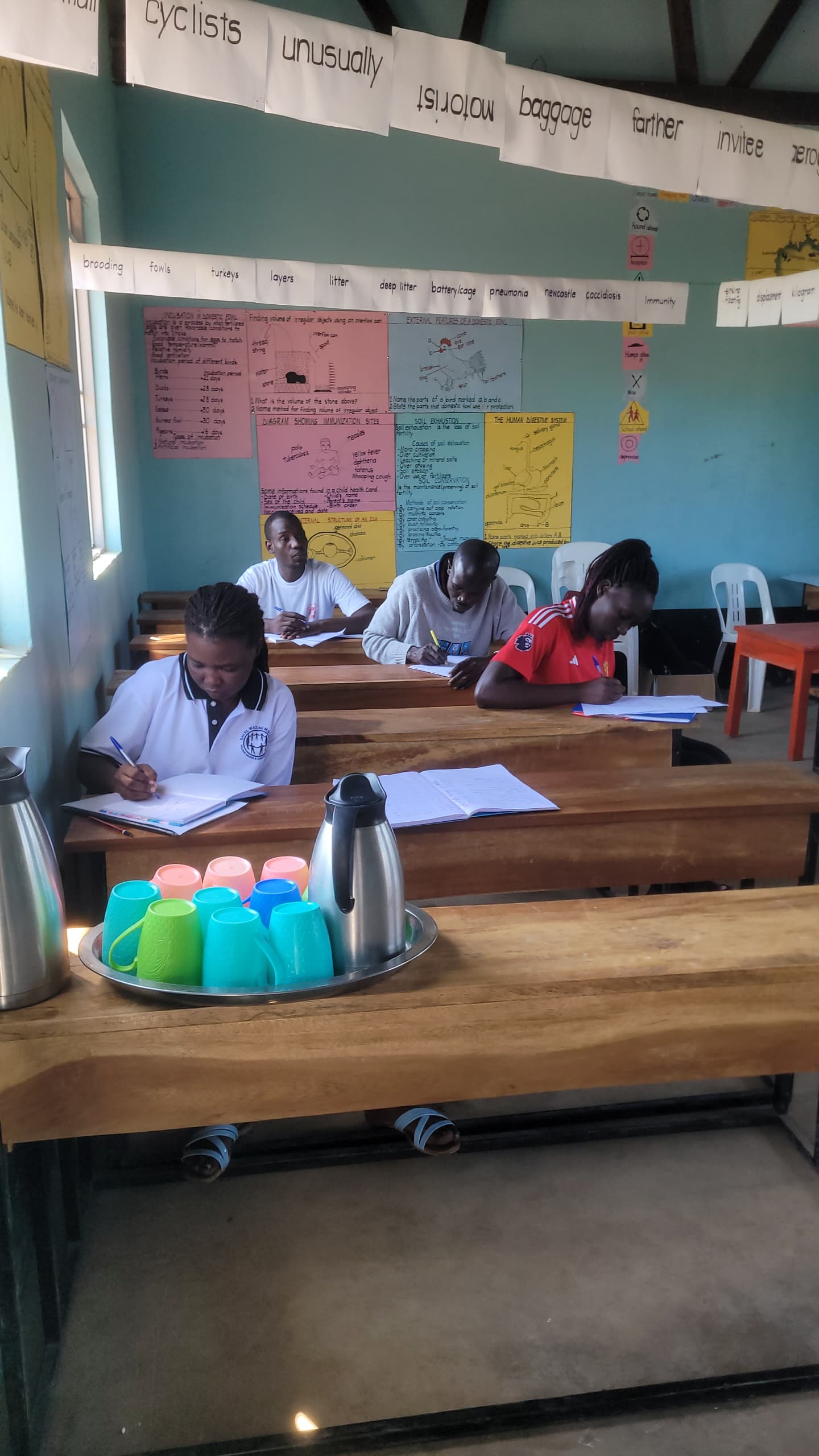
The rest of the report is the unglamorous stuff that makes a school a school. Morning devotions every day from 8:00 to 8:30 — one of the photos is a line of nursery kids with their hands pressed together, eyes shut tight. The Bible Challenge kept going, which is quietly becoming a public-speaking program as much as anything. The staff sat for an ethics and professionalism training on July 28. The PTA and School Management Committee both met. Class registers, exam files, payroll, and fee records all kept current.
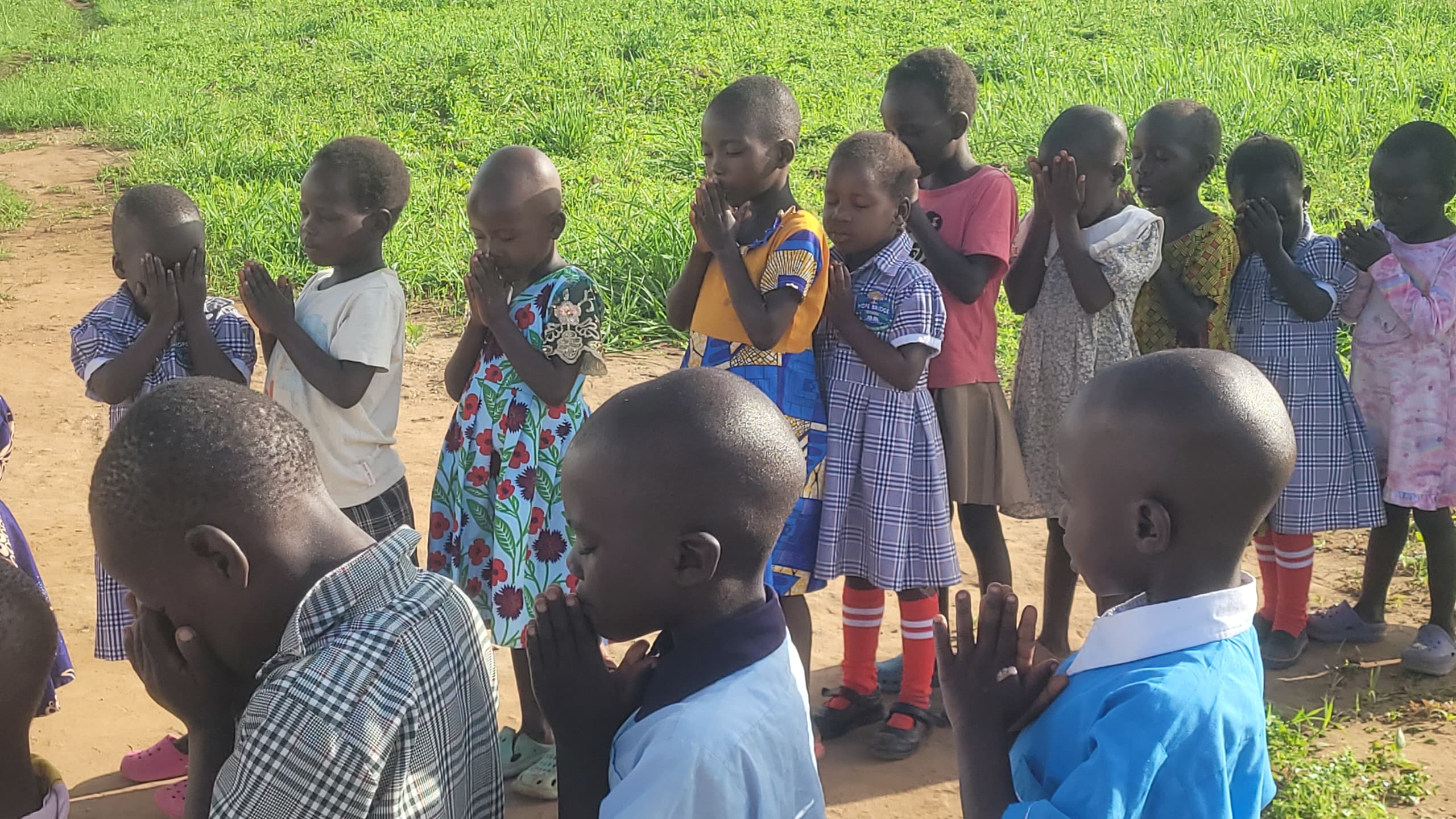
The meetings and the record-keeping don’t make for dramatic photos. All of it is the difference between a project and an institution. Every shirt and every $25 month is buying the boring parts too, and the boring parts are why the rest works.
Thanks for being in this with me. More from the campus soon.
Kevin
Source material for this recap came from the July 2026 administration report prepared by Oroma Gloria, Administration and Finance Assistant at YDO Uganda. Photos by the YDO team on the ground.
Earlier issues
JULY 2026
June at the campus
Read this issue →Close ↑
JULY 2026
June at the campus
Read this issue →Close ↑
July 7, 2026
Here's what June looked like at the campus. Sixty-three kids finished the month at Hope Bridge Primary — 23 boys and 40 girls. Nine teachers, three non-teaching staff, and Simon's team on the ground running the whole thing. This is the headteacher's report.
What went well
English speaking got noticeably better. The teachers put a lot of weight on it this term and started organizing debates in class. Kids are showing up to talk. This matters more than it sounds — a kid who can read and write but can't speak English gets stuck when exams are in English.
Primary Five picked up tailoring. The school ran a skills training this month, and most of the class grabbed it fast. Kids in the region don't have many concrete post-school skills to fall back on if they don't finish. Picking up tailoring gives them something in their hands.
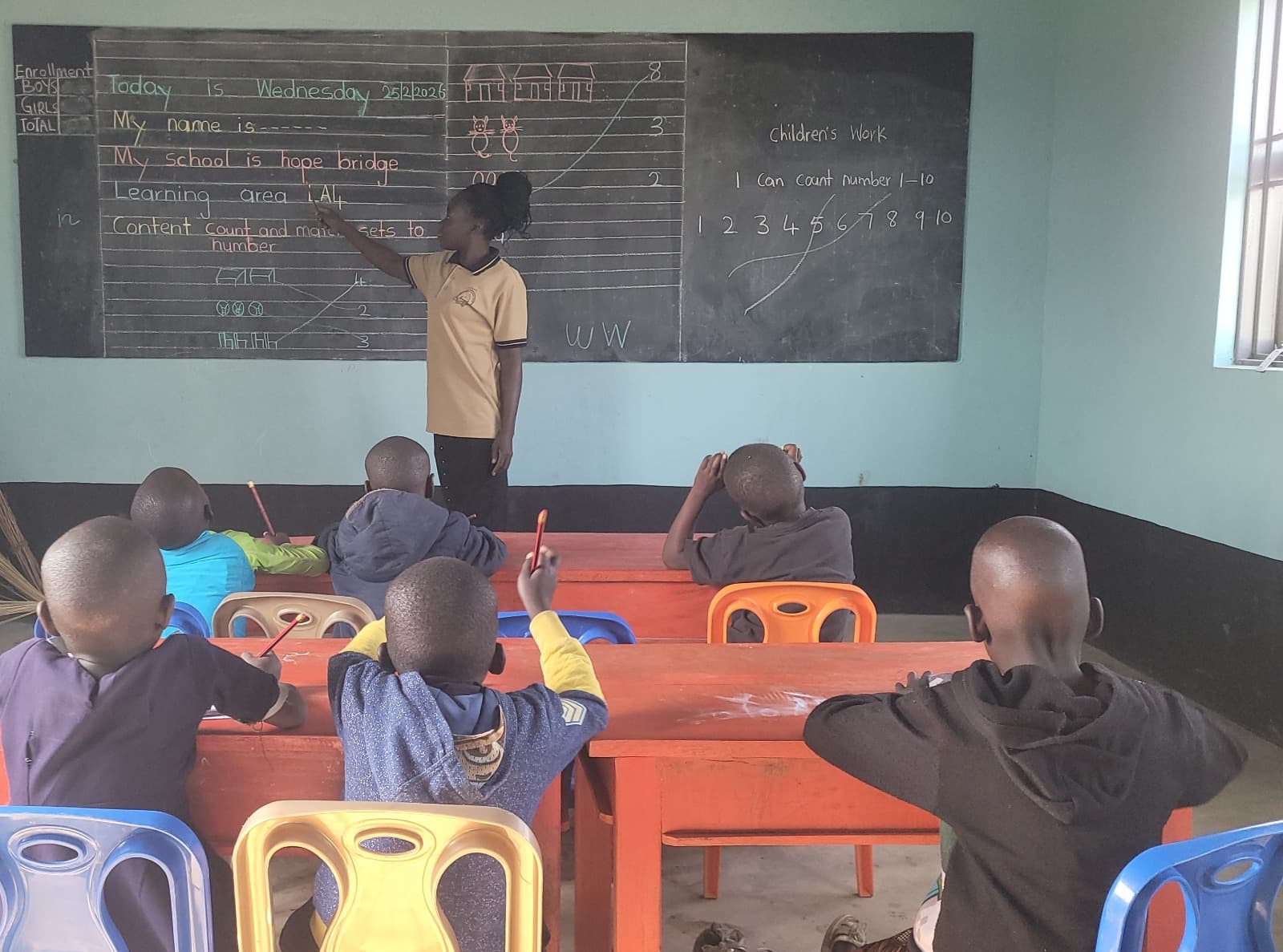
A handwriting and ethics training happened for teachers and students. Chalkboards were ruled for cleaner writing. Charts went up on the walls in Nursery and Primary — the kind of incidental learning where kids pick up letters and numbers from what's on the walls.
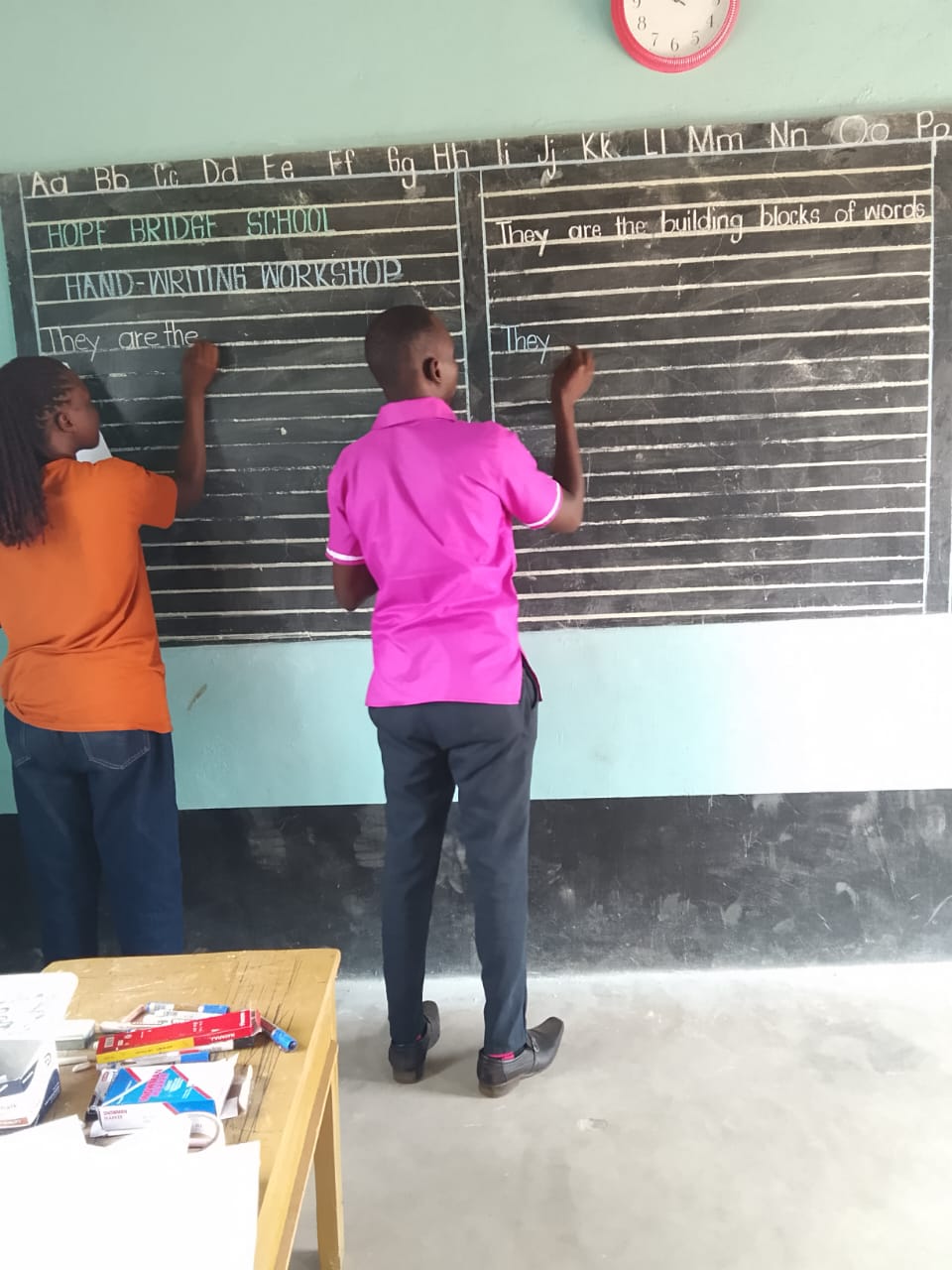
Assessments came back stronger. Reading and writing of simple words moved in both Nursery and Primary. Not dramatic, but the kind of quiet compounding progress that shows the teaching is working.
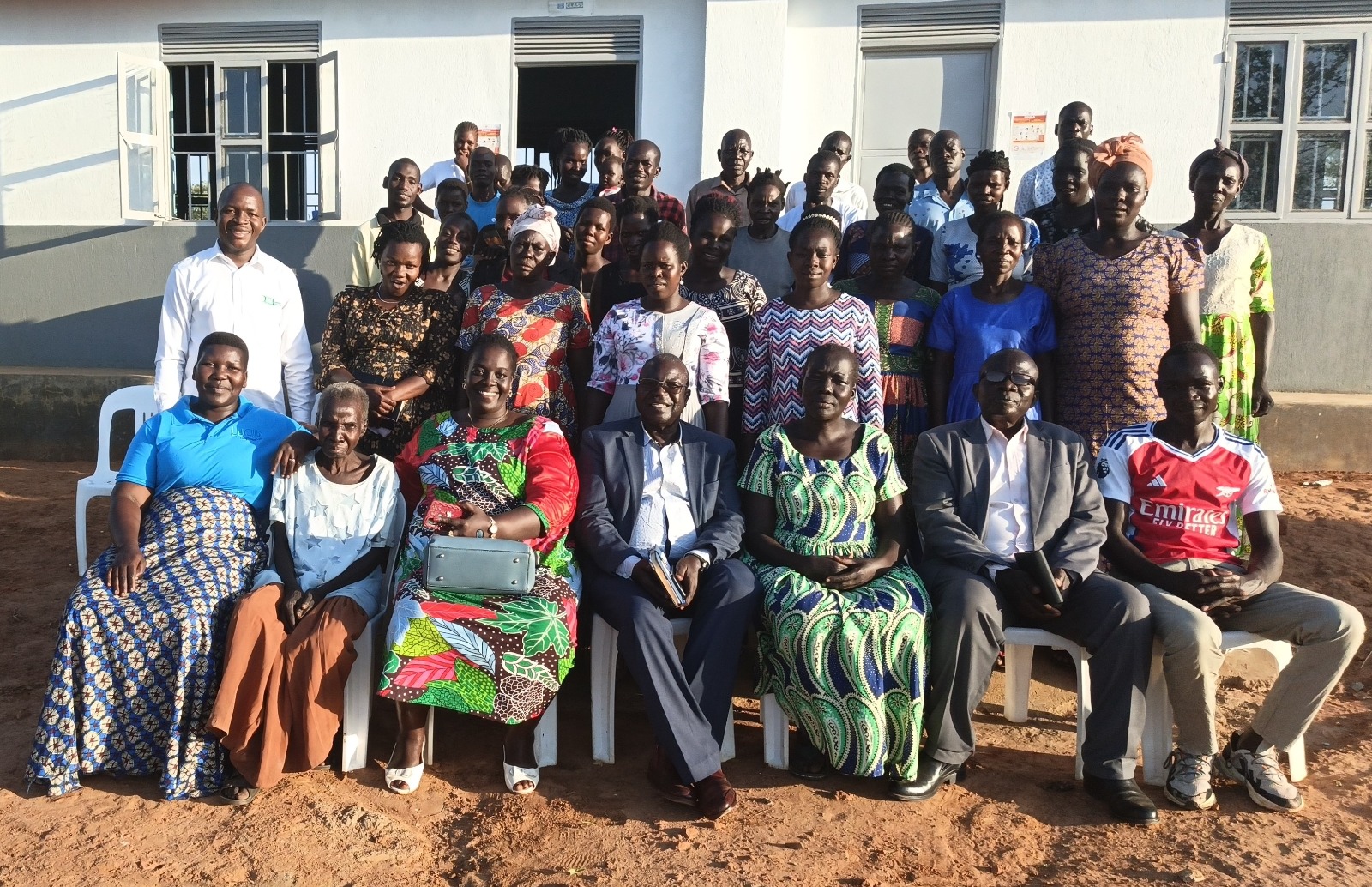
A PTA committee was formed. Parents at the table, sub-committees running, more shared ownership of how the school operates day to day.
Health held. No serious sickness across the school despite the Ebola outbreak in the country. The campus is running strict handwashing for every learner, teacher, and visitor. The nurse resigned mid-month to run off with a man she'd been seeing, and the school is looking for a replacement.
What's hard right now
Some parents aren't sending scholastic materials or paying school fees on time. This is the biggest ongoing drag on the school running smoothly, and it's why sponsorship and shirt sales matter — they fund the operation when the local household economy can't.
The Nursery classroom faces direct afternoon sun. Kids sitting through lessons with sunlight in their eyes. Real physical thing to fix — window treatment or a shade addition.
The school is short on readers and story books. Reading skills are moving but there aren't enough books to keep the momentum going. Specific thing money can fix.
Some teachers need more training on how to prepare teaching materials and handle their tools. Simon's team is planning capacity-building sessions.
What every shirt and every $25 month is buying right now
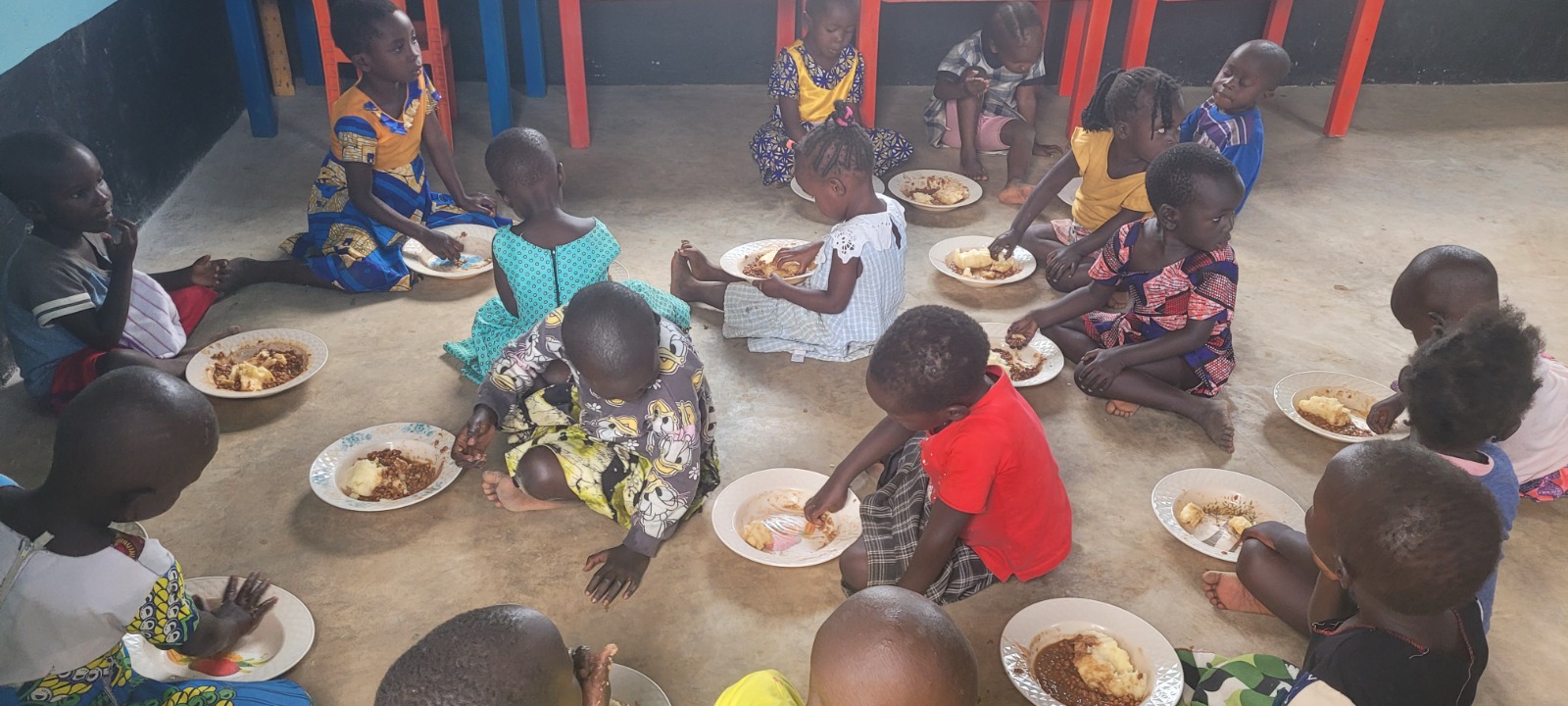
School meals for the kids eating from school. Salaries for the 9 teachers and 3 non-teaching staff. The teacher training that made this month's handwriting workshop happen. The nurse replacement search. Books, when we can order them. The physical school itself — a Nursery through Primary campus that ran through June with 63 kids showing up to learn something.
If you're already sponsoring one of these kids, this is what your $25 covered in June. If you bought a shirt and haven't sponsored yet, this is where a monthly would land — not into an account somewhere in the US, but into the meals, the salaries, the books, the teacher training. On the ground in Omoro.
Thanks for being part of it,
Kevin
One more thing
A lot of the kids' profiles just got refreshed — new details, sharper stories, better photos in places. If it's been a while since you clicked around, pull up a few kid pages and see what's new. We keep sharpening the site so this connection feels closer. My Campus at beanumber.org/me is the newest piece of that — a home base for exploring the campus, not just checking in on your kid.
MAY 2026
May at the campus
Read this issue →Close ↑
MAY 2026
May at the campus
Read this issue →Close ↑
May 30, 2026
Issue archive
Be a Number
Get a Shirt. Meet your kid.
Every Shirt has a Number printed on the back. That Number belongs to a real kid at the campus. Yours becomes yours when the Shirt arrives.
Shop the Shirts →
Become a sponsor
$25/month keeps a kid in school.
Every Shirt carries a Number, every Number is a Child. Get a Shirt to meet yours and start a $25/month sponsorship. Cancel anytime.
Get a Shirt →